Marks Gate council rules for roadside floral tributes and fines
Posted on 03/10/2026
Marks Gate council rules for roadside floral tributes and fines: what families, organisers, and neighbours should know
When a roadside memorial appears after a tragedy, people usually understand the feeling behind it straight away. Flowers, notes, candles, little teddy bears, even a ribbon tied to a lamp post can be a way of saying, "this mattered". But the reality is that Marks Gate council rules for roadside floral tributes and fines can affect what stays up, what gets removed, and whether someone ends up with a warning or penalty. If you are trying to do the right thing, or you are dealing with a memorial that has grown over time, the rules can feel unclear. This guide cuts through the fog and explains the practical side in plain English.
You will find out why councils care, how roadside floral tributes are usually handled, what kinds of issues can trigger fines, and what respectful alternatives exist when a tribute needs to be moved or managed. It is written for real people in real situations, not legal textbooks. And yes, sometimes the most considerate thing is also the most compliant thing.
Table of Contents
- Why Marks Gate council rules for roadside floral tributes and fines Matters
- How Marks Gate council rules for roadside floral tributes and fines Works
- Key Benefits and Practical Advantages
- Who This Is For and When It Makes Sense
- Step-by-Step Guidance
- Expert Tips for Better Results
- Common Mistakes to Avoid
- Tools, Resources and Recommendations
- Law, Compliance, Standards, or Best Practice
- Options, Methods, or Comparison Table
- Case Study or Real-World Example
- Practical Checklist
- Conclusion
- Frequently Asked Questions
Why Marks Gate council rules for roadside floral tributes and fines Matters
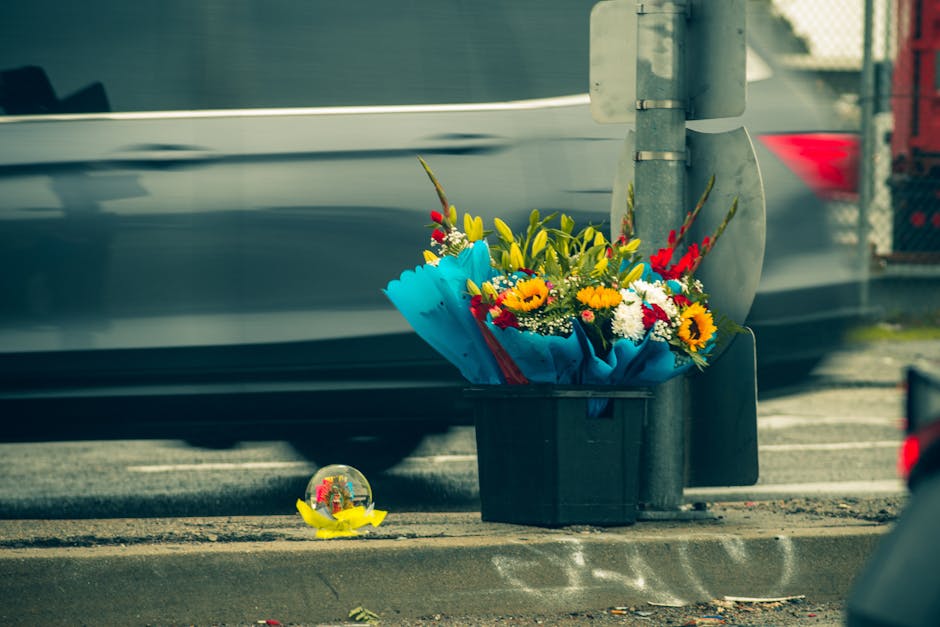
Roadside floral tributes sit at the intersection of grief, public space, and road safety. That combination sounds simple, but it rarely is. A bouquet near a junction, a cluster of cards by a busy pavement, or a wreath attached to a signpost can all become a problem if they block sightlines, create litter, or interfere with maintenance. In a busy part of east London, where people are passing on foot, by bus, and by car all day, the margins for error are small.
Marks Gate council rules for roadside floral tributes and fines matter because they help balance compassion with public responsibility. Councils do not usually want to upset grieving families or neighbours. In practice, though, they must think about public access, verge maintenance, drainage, road safety, and the risk of debris blowing into traffic. That is why a tribute that begins as a small, heartfelt gesture can sometimes prompt a formal removal notice if it lingers too long or grows too large.
There is also a fairness issue. If one tribute is allowed to spread across a pavement while another is removed, residents quickly notice. Consistent rules help avoid that awkward sense of "why them and not us?". It is not just about tidiness; it is about predictable, humane management.
Practical takeaway: a roadside floral tribute may be treated as a temporary expression of sympathy, not a permanent fixture. The earlier you understand the local expectations, the easier it is to avoid conflict, fees, or a painful removal process.
For anyone arranging flowers after a loss, it helps to think ahead. If the tribute is for a funeral, a memorial anniversary, or a sudden roadside incident, you may want to use a managed tribute option rather than leaving items on the carriageway edge. That is where more formal memorial-style arrangements can be appropriate, especially if they are designed to be moved, collected, or displayed safely. You can see the kind of tribute-focused arrangements that are commonly used in this context through the site's tributes collection and funeral flowers.
How Marks Gate council rules for roadside floral tributes and fines Works
While local procedures can vary, roadside tributes are usually managed through a fairly familiar pattern. First comes the placement of flowers or memorial items. Then, if the tribute remains in a public place, the council or land manager may assess whether it is safe and appropriate to leave it there. If it is obstructing the pavement, affecting visibility, or creating a maintenance issue, the council may remove it after a notice period or sooner if there is an immediate risk.
Fines are not normally the first step. That is worth saying clearly. In many cases, councils focus first on removal, storage, warning notices, or requests to relocate the tribute. A fine can become relevant where there has been a breach of local rules, repeated non-compliance, unauthorised placement, damage, fly-tipping, obstruction, or deliberate interference with council instructions. The exact route depends on the circumstances, and that is why it is sensible to treat the rules as a compliance issue, not a guessing game.
In practical terms, there are a few things councils tend to look at:
- Location: is it on the verge, pavement, lamp post, or carriageway edge?
- Size: has it grown beyond a small, respectful cluster?
- Safety: could it distract drivers, obstruct walkers, or be blown into the road?
- Duration: has it been there long enough to create a maintenance burden?
- Condition: are flowers wilting, packaging scattering, or candles presenting a fire risk?
- Ownership: is anyone clearly looking after it, or has it become unmanaged?
If you are arranging flowers for a memorial and want them to last in a respectful, orderly way, a more stable design can help. A wreath, spray, or posy is often easier to handle than loose stems and cellophane. For example, a structured sympathy arrangement or a message-led tribute can be more suitable than a bag of supermarket flowers tied to a rail. If you want to keep the tone solemn and dignified, browse options such as sympathy florist choice, wreaths, or a simple spray tribute.
One small but important point: council enforcement is often driven by the visible impact, not the sentiment behind the tribute. Harsh? Maybe. But that is how public space rules work. The flowers can be deeply meaningful and still not be allowed to remain where they are.
Key Benefits and Practical Advantages
Understanding the rules may not feel comforting at first, but it gives you something valuable: control. When you know what is likely to happen, you can make calmer decisions and avoid a situation turning into a distressing last-minute removal.
- Less risk of fines or warnings: you are less likely to fall foul of local restrictions if you know the basics before placing anything.
- Better tribute design: you can choose arrangements that are appropriate for a public setting.
- Less distress later: families are often hurt when tributes are moved without warning. Planning helps.
- Safer for everyone: pedestrians, drivers, and council workers are less likely to face hazards.
- More respectful outcome: a managed memorial usually feels more dignified than a messy, wind-blown cluster of items.
There is a practical side too. A tribute that is tidy, weather-resistant, and placed carefully is less likely to attract complaints from neighbours or passing traffic. In our experience, people are usually far more understanding when the arrangement looks intentional rather than improvised. A thoughtful wreath and a card can say more than a pile of loose wrapping ever will. Funny how that works, really.
Another advantage is emotional. If a memorial is handled in a structured way, the family does not need to keep going back to "rescue" flowers from the pavement after every bit of weather. Rain, buses, stray litter, and a gusty afternoon can do a number on an unmanaged arrangement. A better plan saves time and a bit of heartbreak.
Who This Is For and When It Makes Sense
This topic matters to several different people, and each group has a slightly different need.
Families and close friends
If you are grieving, you may want to leave flowers where the person died or where a memorial has developed. That is understandable. The challenge is making sure the tribute does not create safety issues or conflict with local rules. If you want something that feels personal but remains easier to manage, a dedicated remembrance piece or sympathy basket can be a gentler choice.
Neighbours and local residents
You might not be directly involved, but you may be asked to help maintain a tribute, report a problem, or explain why something has been removed. It helps to know the basic approach so you can speak calmly and avoid a misunderstanding escalating.
Community organisers
Sometimes a tribute grows into a community memorial. That can happen very quickly after a tragic event. Organisers need to think about placement, permissions, and upkeep early on, especially if they want the memorial to stay in place for more than a few days.
Local businesses and passers-by
If you manage a nearby shop, building, or service point, a roadside tribute may affect access, footfall, or the appearance of the area. You may need to balance compassion with practical responsibility, which is not always easy. To be fair, there is no perfect script for that conversation.
People choosing flowers for a funeral or memorial
If your aim is remembrance rather than a roadside display, it makes sense to choose flowers that suit the occasion and setting. A more formal funeral tribute, a condolence spray, or a wreath can be more appropriate than a casual hand-tied bunch. For nearby delivery needs, the site's flower delivery in Marks Gate RM6 and same-day flower delivery pages can be useful starting points if timing matters.
Step-by-Step Guidance
If you are dealing with a roadside floral tribute in Marks Gate, a calm and ordered approach usually works best. Here is a practical sequence.
- Decide what the tribute is for. Is it a private gesture, a formal memorial, or a short-term display after a funeral? That answer changes everything.
- Check the setting. Look at whether the flowers would sit on a pavement, verge, junction, lamp post, or private forecourt. Public highway space is the most sensitive area.
- Keep the arrangement small and stable. Use a compact wreath, spray, or posy where possible. Loose packaging and oversized displays are more likely to cause trouble.
- Avoid hazards. Do not place candles, glass, sharp wires, or anything that could fall into traffic or injure pedestrians.
- Think about weather. Rain and wind can quickly turn a lovely tribute into litter. It happens fast. One wet evening and the whole thing can look tired.
- Plan for collection or relocation. Decide who will remove or refresh the flowers, and when.
- Respond to any council notice promptly. If the council asks for the tribute to be moved, do not ignore it. Ask about options and keep the tone respectful.
- Choose an alternative if needed. If the roadside location is not workable, move the tribute to a garden, church, home memorial, or funeral setting.
A useful rule of thumb: if you would be uneasy seeing the tribute there every day for two weeks, it is probably too exposed or too informal for a public roadside space. That is not a legal test, just a practical one. Still useful, though.
When the tribute is meant to communicate sympathy more than spectacle, floral choice matters. White and soft pastel flowers often suit memorial settings well, while deeper tones can feel more solemn. If you are choosing something simple and respectful, browse white flowers, purple flowers, or a mixed arrangement such as mixed colours.
Expert Tips for Better Results
Here are the small things that often make a big difference.
- Use a card with a clear message. A short note makes the tribute feel intentional, and it helps others understand who it is for.
- Choose flowers that hold up well. Carnations, chrysanthemums, and some lilies tend to cope better than very delicate blooms in exposed places.
- Keep packaging minimal. Too much plastic flaps, tears, and looks untidy after a day or two.
- Prefer anchored arrangements. A wreath or casket-style tribute is generally less likely to blow away than a loose bunch.
- Think of the people clearing the area. If a council or maintenance team has to lift it, they will appreciate a tidy, contained display.
- Be ready to move it yourself. If you are the person closest to the memorial, it is kinder to act before a formal warning arrives.
One experienced floristry habit that often gets overlooked is using the tribute itself to signal its purpose. A clearly funeral-led arrangement tends to be treated more sensitively than random bunches left in layers. If you are looking for more formal designs, options like sympathy flowers, tributes, or a more specific piece such as letter tributes can create a neater, more deliberate presence.
Another tip: if several people are contributing, designate one person to coordinate the flowers. Otherwise you get the classic "everyone brought something" problem, and suddenly the memorial looks crowded. Good intention, poor control. Happens all the time.
Common Mistakes to Avoid
Most problems with roadside tributes are not malicious. They are just the result of grief, haste, and a lack of clear guidance. The usual mistakes are easy to spot once you know what to look for.
- Leaving flowers in a dangerous spot: near bends, crossings, cycle routes, or anywhere drivers may be distracted.
- Ignoring removal notices: this is where a simple issue can become a formal compliance problem.
- Using fragile items outdoors: candles, glass, and loose decorations rarely survive for long.
- Allowing the tribute to spread: a small cluster can become a cluttered memorial with no central point.
- Forgetting maintenance: dead flowers and litter send the wrong message and can lead to complaints.
- Assuming "it's only flowers" means no rules apply: public space is still public space.
There is also a communication mistake people make. They assume silence equals approval. It does not. If no one has objected yet, that may simply mean nobody has reviewed the site, or the issue has not reached the point where action is needed. Better to clarify early than to be surprised later.
Tools, Resources and Recommendations
You do not need specialist equipment to handle a floral tribute well, but a few simple things help.
- Weather-resistant card holder: useful for keeping messages legible.
- Florist foam-free design: often better for lower-waste, simpler memorial arrangements.
- Ribbon or discreet tie: keeps the tribute together without looking overdone.
- Local contact list: one person should know who to speak to if the tribute needs moving.
- Phone photos: useful if you want a record before anything is taken away.
For many readers, the most practical resource is simply choosing the right kind of flower product in the first place. A respectful tribute, sympathy bouquet, or funeral arrangement can reduce the risk of a roadside conflict. If you need something delivered quickly, options such as next-day flower delivery and the general delivery information page may help you plan more sensibly.
It also helps to keep an eye on the condition of the flowers. Even a beautiful tribute can look neglected by day four if nobody refreshes it. If you are ordering flowers for a memorial and want them to last, see the site's flower care guidance. It sounds obvious, but a bit of care goes a long way.
Law, Compliance, Standards, or Best Practice
Without getting overly legal about it, roadside tributes are generally governed by a mix of local authority powers, public highway management, safety duties, and common-sense nuisance control. The council's role is typically to keep public land safe and usable. That can include removing items that obstruct access, create risk, or undermine maintenance.
The key compliance principle is simple: a tribute in a public place is usually temporary and subject to local control. If it becomes fixed, obstructive, hazardous, or neglected, the council may act. Fines are more likely where someone refuses to follow reasonable instructions, places items unlawfully, or creates damage or obstruction. Exact procedures vary, so it is not wise to assume one council will treat a roadside memorial exactly like another.
Best practice tends to look like this:
- Keep the tribute small and manageable.
- Avoid attaching items in ways that damage street furniture.
- Do not block footways, dropped kerbs, or visibility splays.
- Use non-hazardous materials only.
- Respond quickly if asked to move it.
- Consider private or controlled memorial spaces when the tribute is likely to remain for some time.
From a community perspective, best practice is not just about obeying rules. It is about avoiding a situation where sadness becomes friction. That may sound a bit blunt, but it is true. The more carefully a tribute is handled, the more likely it is to be received with sympathy rather than annoyance.
For families deciding whether to keep the flowers roadside or move them somewhere safer, a formal funeral or sympathy arrangement is often the better route. The site's funeral flowers and sympathy flowers pages can help if you want something dignified, visible, and easier to manage.
Options, Methods, or Comparison Table
If you are unsure how to approach a roadside tribute, it helps to compare the main options side by side. Not every memorial needs to look the same, and not every setting is suitable for the same method.
| Option | Best for | Practical strengths | Possible drawbacks |
|---|---|---|---|
| Loose roadside flowers | Very short-term gestures | Quick, spontaneous, inexpensive | Easy to blow away, clutter quickly, harder to manage |
| Wreath or spray | Formal memorials and funerals | Stable, respectful, easier to keep tidy | Still may need relocation if placed on public land |
| Letter or shaped tribute | Personalised remembrance | Clear meaning, visually structured | Can be more noticeable and may need more space |
| Sympathy basket or posy | Private remembrance or home display | Contained, neat, easy to move | Less suitable for an exposed roadside position |
| Private memorial at home or venue | Longer-term remembrance | No public-space conflict, easier to maintain | Not the same emotional setting as the roadside location |
In most cases, if the goal is to honour someone without risking enforcement, the best option is a contained memorial arrangement rather than an ad hoc roadside cluster. If you need a traditional sympathy style, the product range around posies, sprays, and wreaths is more aligned with that purpose than general gift flowers.
Case Study or Real-World Example
Imagine a family in Marks Gate who has lost a relative after a road incident. On the first evening, neighbours leave a few bouquets at the edge of the pavement near the site. By the third day, more people have added cards, ribbons, and a balloon or two. It starts to look heartfelt, then busy, then slightly untidy. A pedestrian has to step into the verge to pass. A council worker notices the debris after a bit of wind and rain. That is usually the point where attention shifts from sympathy to management.
Now compare that with a more structured approach. One family member asks others to bring flowers to a nearby home or church instead, while a single compact wreath is left briefly at the roadside and then collected. The memorial still exists. The feeling is still there. But the safety issue is reduced, and there is far less chance of a warning or fine. Small difference, big outcome.
We have seen that a neatly chosen tribute tends to be better received by everyone involved, especially when it is clear that someone is looking after it. A personalised sympathy piece, for example, can express grief without turning the pavement into an unmanaged display. If that is the kind of balance you are after, a restrained arrangement like compassionate wreath or heartfelt sympathy posy can be more suitable than a large, loose collection of items.
One local detail worth mentioning: in places like Marks Gate, where people are coming and going at different hours and the weather can turn in an afternoon, a tribute that looks fine at 10 a.m. may feel very different by evening. Not dramatic, just real life.
Practical Checklist
Use this checklist before placing flowers roadside or deciding what to do with a memorial already in place.
- Have you checked whether the location is public highway land or private property?
- Will the flowers obstruct foot traffic, sightlines, or access?
- Is the tribute small, tidy, and stable enough for outdoor conditions?
- Have you avoided candles, glass, or sharp fittings?
- Do you know who will refresh or remove it if needed?
- Have you considered a safer memorial alternative if the tribute may stay for several days?
- Can the tribute be moved quickly if the council asks?
- Have you added a clear card or message so the tribute is understood?
- Are you comfortable with how it will look after rain or wind?
- Have you kept the tone respectful and uncluttered?
Quick summary: if you can answer yes to most of the points above, you are usually in a better position to avoid fines, complaints, or the distress of an unplanned removal.
Conclusion
Marks Gate council rules for roadside floral tributes and fines are really about balance: honouring grief while keeping shared spaces safe and manageable. That balance is not always neat. Sometimes it is emotional, a bit messy, and deeply personal. But the principle is straightforward. Keep roadside tributes small, safe, and temporary; respond to council requests promptly; and choose a more structured memorial if the flowers need to remain longer or carry a bigger message.
If you are making decisions in the middle of a difficult time, go gently. Pick the option that protects both the memory and the people around it. That is usually the most respectful route, even if it takes a little extra thought.
Get a free quote today and see how much you can save.
And if all you manage today is one careful, thoughtful step, that is enough. Truly.
Frequently Asked Questions
Are roadside floral tributes allowed in Marks Gate?
They may be tolerated for a short period, but they are usually subject to local rules about safety, obstruction, and maintenance. A tribute that stays small and temporary is less likely to cause trouble.
Can the council fine someone for leaving flowers by the road?
In some circumstances, yes. Fines are more likely where the tribute creates obstruction, damage, nuisance, or repeated non-compliance with instructions. The exact enforcement route can vary.
How long can roadside flowers stay up before they are removed?
There is no single universal timeframe. Councils typically assess the condition, risk, and setting. A small, well-kept arrangement may be left longer than a larger or neglected one.
What kind of tribute is safest for a roadside memorial?
A compact wreath, spray, or posy is usually safer than loose flowers and plastic-heavy items. These are easier to keep tidy and less likely to blow away.
Should I attach flowers to a lamp post or sign?
Usually not without clear permission. Attaching items to street furniture can cause damage or create hazards, and it may be treated as unauthorised placement.
What should I do if the council asks me to remove the tribute?
Act promptly, stay calm, and ask whether there is an alternative place for the flowers. A respectful response is usually the best way to avoid escalation.
Is a funeral wreath better than a roadside bouquet?
Often, yes, if the tribute is intended to last or to look formal. A wreath is more structured, more stable, and generally more appropriate for a memorial-style setting.
Can I leave candles with the flowers?
It is usually unwise. Candles add fire risk, can spill wax, and may be removed quickly if they are placed in a public roadside area.
What flowers work well for a sympathy tribute?
White, pale pink, cream, and soft purple flowers are commonly chosen for sympathy settings. The best choice depends on the message you want to send and how formal the tribute should feel.
Where can I order flowers for a more formal memorial instead?
You can look at funeral and sympathy arrangements, wreaths, sprays, and tribute collections that are designed for respectful display and easier handling.
What if I want the memorial to stay in place for a long time?
For a longer-term memorial, a private or controlled setting is usually a better option than a public roadside location. That reduces the risk of removal, complaints, and weather damage.
Do I need permission to place flowers on public land?
In many cases, public land is managed by the local authority or highway authority, so permission or compliance with local rules may be relevant. If you are unsure, it is safer to treat the placement as temporary and removable.